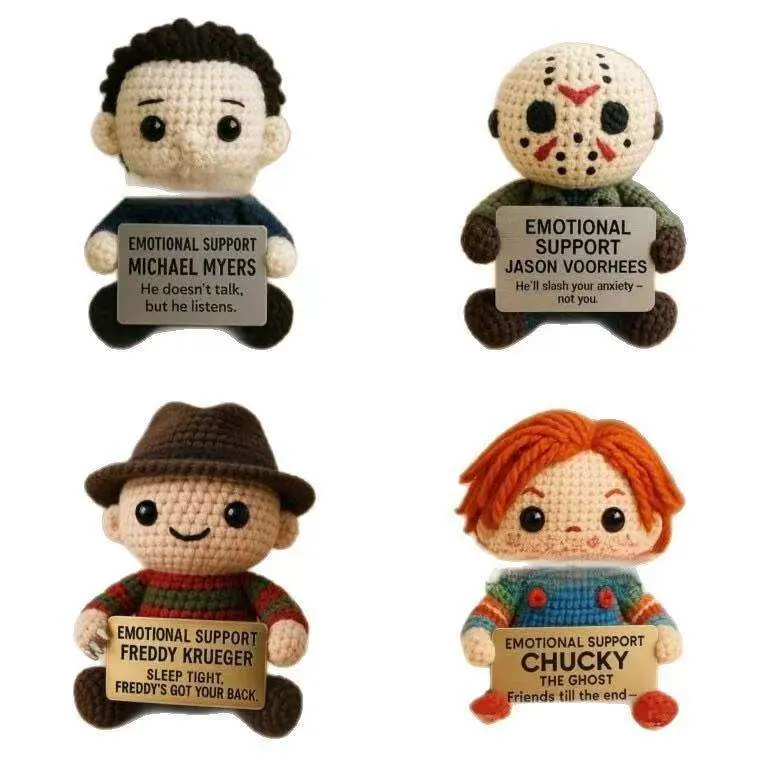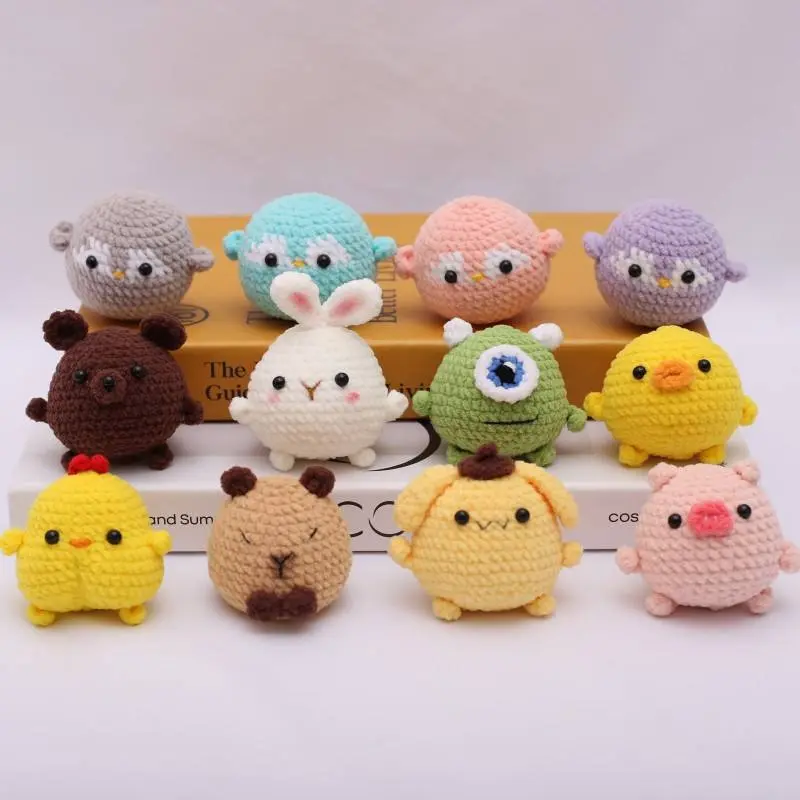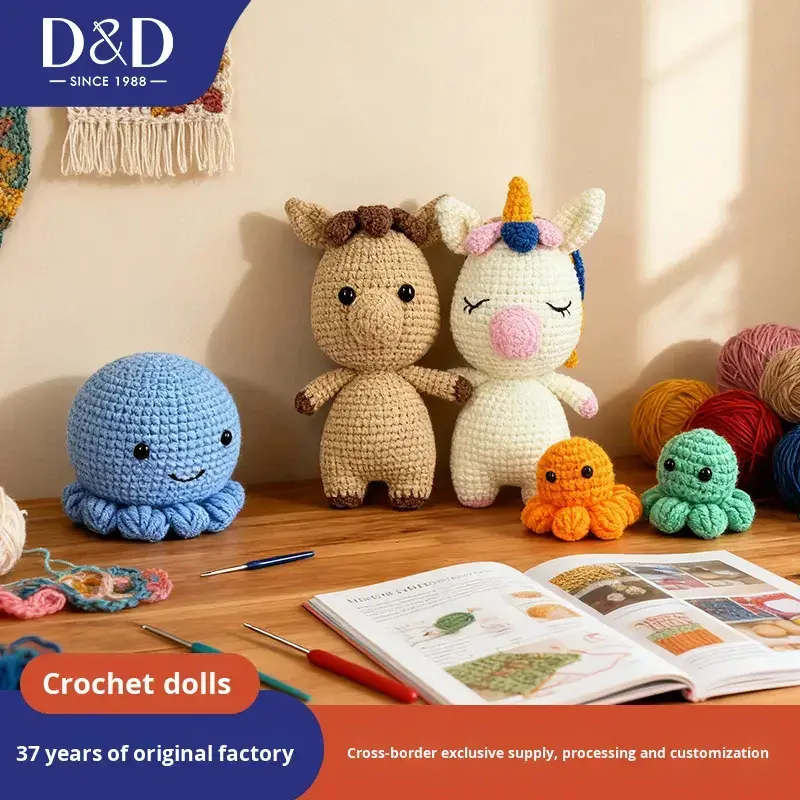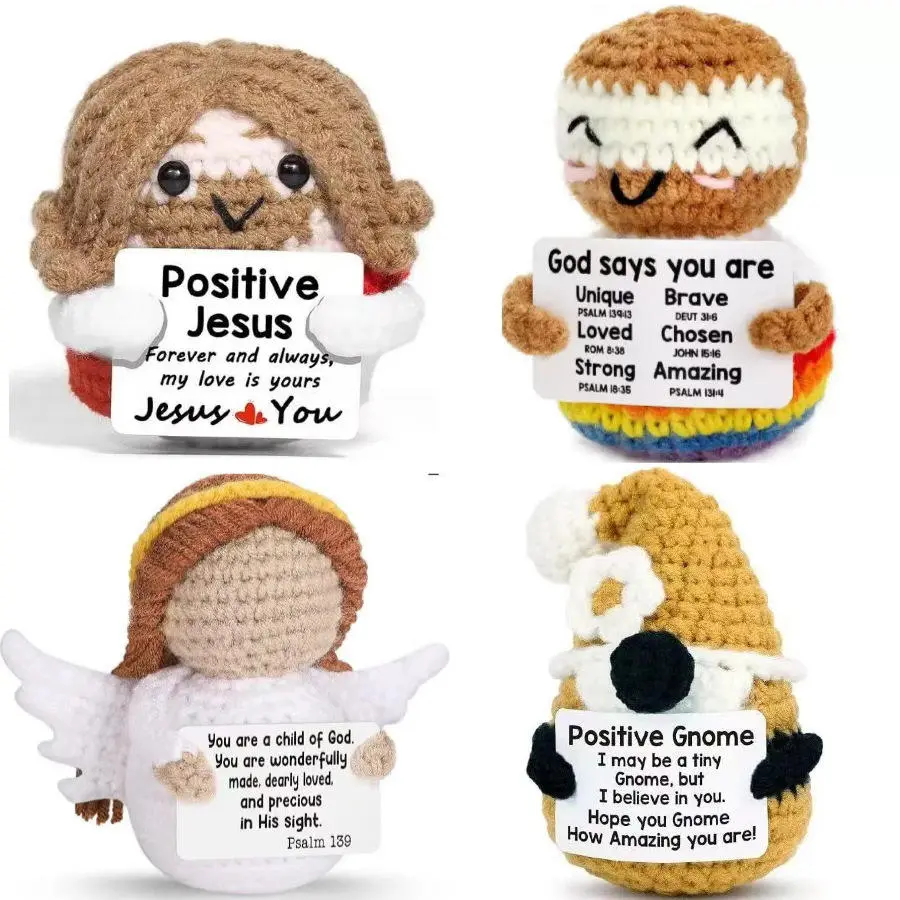

Why buyers look for a crocheted products supplier in the first place
A Crocheted Products Supplier is usually not just a source for “cute” goods. For sourcing teams, the real question is whether the supplier can turn an appealing handmade-style concept into a repeatable product line that still looks consistent on the shelf. That matters more than it sounds. A pouch that looks charming in a photo but arrives with uneven stitching, weak frame attachment, or sloppy facial details will disappoint retailers fast, especially in gift and impulse-buy channels.
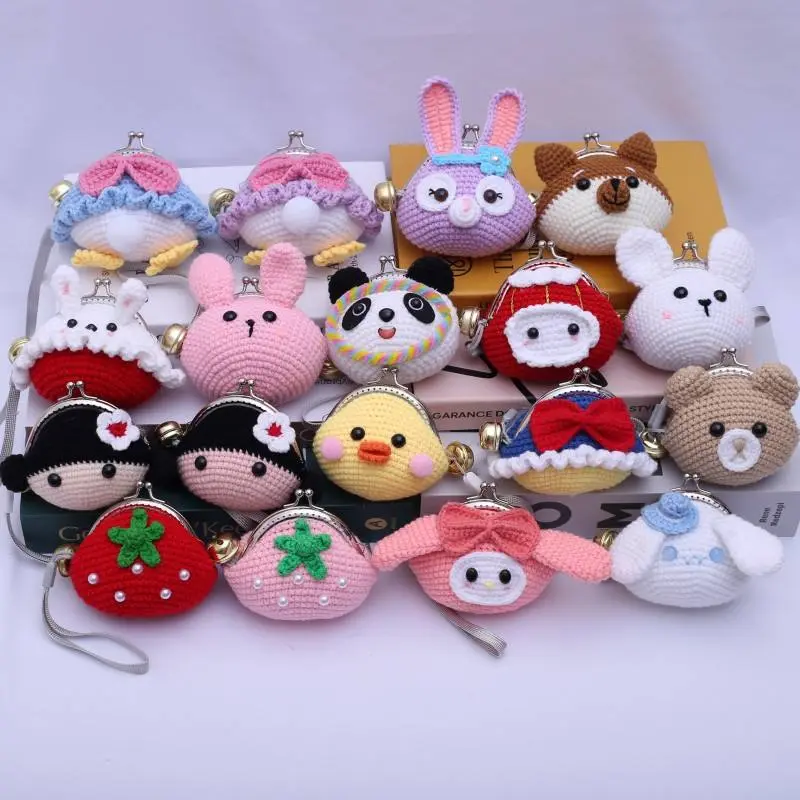
The product category here is small crochet or knit coin purses and mini pouches with metal kiss-lock frames. In practical terms, these are novelty accessory pouches rather than full-size bags. They are used for coins, earbuds, lip balm, keys, tiny jewelry, and other everyday bits that disappear at the bottom of a tote. They can also work as decorative gift items, souvenir stock, or children’s accessories, depending on how they are presented and packaged.
For buyers, the decision is not simply whether the design is attractive. It is whether the supplier can support the mix of visual detail, small-part assembly, and retail-ready consistency this category demands.
What these crochet mini pouches actually are
The visible product type is compact and character-driven. The pouch body is rounded, soft, and padded-looking, with pastel and bright yarn surfaces. Some designs resemble animals or fruit, with stitched facial features, bead details, small ears, bows, or other decorative appliqué. A top-opening metal kiss-lock frame closes the pouch, and some units include a wrist strap or cord loop for carrying.
That combination creates a specific market position. It is not a rugged utility pouch, and it is not trying to compete with leather accessories. It is selling on charm, portability, and gift appeal. That means your supplier needs to handle more than a basic cut-and-sew order. The visible finish has to stay neat because the customer can inspect every side in seconds.
The materials visible from the product imagery suggest a yarn or crochet exterior, though the exact fiber composition is not identifiable from the image alone. That uncertainty matters if you are planning a retail program, since fiber choice affects hand feel, color consistency, durability, and price positioning. It also affects whether the product leans more toward “handmade look” or “gift shop novelty.”
Quick reference: where this product category fits best
Best-fit sales channels
Boutique accessory shops, souvenir stores, seasonal gift retail, children’s novelty assortments, and promotional merchandise programs tend to be the natural home for these mini pouches.
Best-fit buyer goals
Buyers usually want low display friction, strong visual variety, and a product that feels easy to gift. A wide mix of character designs in one line is often more useful than a single “hero” style.
Less suitable use cases
These are not the right choice for buyers who need hard-wearing utility bags, large storage capacity, or industrial-grade accessories. The product’s appeal is decorative first.
How a supplier should approach production
Even when the product has a handmade look, sourcing still comes down to process control. A reliable supplier should be able to manage crochet or knitted assembly, attach the metal kiss-lock frame securely, and finish the decorative elements without making the pouch look overworked.
There are a few likely production stages here:
The soft body is formed by crocheting or knitting the main pouch shape, then adding structure through padding or shaping so the form holds its character silhouette. Next comes the facial detail work, which may involve stitching, appliqué, beads, or small sewn-on elements. After that, the top metal frame is attached. Finally, the wrist strap or loop is fixed, where applicable, and the piece is checked for alignment.
That last step is easy to underestimate. On products this small, a slight frame misalignment or a crooked face becomes obvious immediately. Buyers should ask for close-up photos or pre-production samples that show the front, side, opening, and closure action. A supplier who only shows a nice front view is not giving enough information.
Selection criteria that matter more than the catalog photos
A good Crocheted Products Supplier should be judged on how well it handles small decorative goods, not just on whether it can make a pretty sample.
First, look at consistency across multiple designs. If the line includes many character forms, each one should still look like part of the same family. The yarn tone, stitch density, and facial placement should be stable enough that a retail display does not look chaotic.
Second, check the closure behavior. The metal kiss-lock frame is a functional feature, but it is also a stress point. If the frame is too loose, the pouch feels cheap. If it is too stiff, customers may struggle to open it, which is a problem in gift and children’s markets.
Third, review the strap attachment. Some units have a wrist loop, which increases carry convenience and gift value. But straps also create another failure point, especially if the product will be used by younger buyers or handled frequently in-store.
Fourth, ask what customization is available. Custom Crocheted Products often depend on small visual changes rather than a completely new platform. That could mean different faces, seasonal colors, themed ears, or branded decorative touches. The more flexible the supplier is on small design adjustments, the easier it is to build a line that looks exclusive without starting from scratch every season.
Common mistakes buyers make with novelty crochet pouches
One common mistake is assuming that “handmade-looking” means easy to source. It usually means the opposite. These items require careful finishing, and small variations can quickly become defects in the eyes of retail customers.
Another mistake is treating the product as a simple pouch and ignoring the decorative side. For this category, the character identity is half the sale. If the eyes drift, the ears don’t stand right, or the color mix looks dull, the item loses much of its value.
Buyers also sometimes under-spec packaging. A decorative coin purse can be damaged by rough bulk packing before it ever reaches the shelf. If the product is intended for gifting or impulse sales, packaging should protect shape and presentation, not just shipping integrity.
And a practical warning: do not assume the same product will perform equally well across all age groups. The description suggests children’s novelty use as one possibility, but age grading and safety compliance should never be guessed. If the product is going into a children’s assortment, the supplier needs to confirm what applies for your market.
How to compare suppliers without getting lost in the sample stage
Sampling is where many buyers spend too much time on aesthetics and not enough on execution. A useful comparison method is to look at five things: body shape, stitch neatness, frame attachment, facial accuracy, and repeatability across multiple pieces.
Body shape tells you whether the pouch stands out as a defined character or just looks softly deformed. Stitch neatness shows whether the yarn work can hold up in close retail inspection. Frame attachment matters because it reveals whether the top opening will survive handling. Facial accuracy is important because these products sell through expression and personality. Repeatability is the real business issue: can the supplier make the tenth piece look like the first one?
If the answer is no, you may still use the supplier for a limited promotional run, but not for a broader retail program.
Practical buyer advice for retail and sourcing teams
If you are planning assortment buying, think in groups rather than single items. These products are visually stronger when offered in a small family of related characters or colors. A mixed display usually performs better than one isolated pouch on a hook.
If you are buying for a branded promotion, the safest route is usually a limited customization layer: themed colors, simple logo placement, or a small tag rather than a full redesign. That keeps production risk lower while still giving you a product that feels exclusive.
For boutiques and souvenir stores, the key is shelf appeal. Customers should understand the item instantly. A short display card or hangtag can help communicate use: coins, earbuds, keys, or small jewelry. That is especially useful because shoppers often see novelty pouches as decorative first and practical second.
For children’s or family-oriented assortments, avoid vague assumptions and ask direct questions about materials, small parts, and packaging. This is one of those categories where a buyer’s convenience can turn into a compliance headache if the basics are not clarified early.
FAQ for buyers evaluating this product category
Are these products suitable for everyday use?
Yes, for light daily carrying of small items. They are best suited to coins, earbuds, lip balm, keys, or jewelry-sized items rather than heavier loads.
Can a supplier make custom styles?
Often yes, especially for Custom Crocheted Products. The safest customization usually involves colorways, character themes, decorative details, or branding elements.
What should I check in a sample?
Look at the frame alignment, closure feel, stitch consistency, decorative detail placement, and overall shape retention.
Is this a fashion product or a gift product?
It can be either, but many buyers treat it as a giftable novelty accessory first and a utility pouch second.
Choosing the right partner for this category
The best supplier is not just the one with the widest catalog. It is the one that understands the difference between making a craft item and producing a retail-ready accessory. That distinction shows up in the details: stable shaping, neat finish work, reliable frame attachment, and enough design discipline to keep a mixed assortment looking coherent.
If you are sourcing these mini crochet pouches for a gift line, souvenir program, or seasonal accessory release, ask for samples that reflect the actual mix you plan to sell. Then check whether the supplier can repeat the look, not just imitate it once.
For teams comparing options, that is usually the smartest next step: request a sample set, review the finishing closely, and test whether the supplier can hold the same visual standard across multiple characters and colors. If they can, you have a workable Crocheted Products Supplier. If not, you probably have a nice prototype and not much more.